Table Of Content
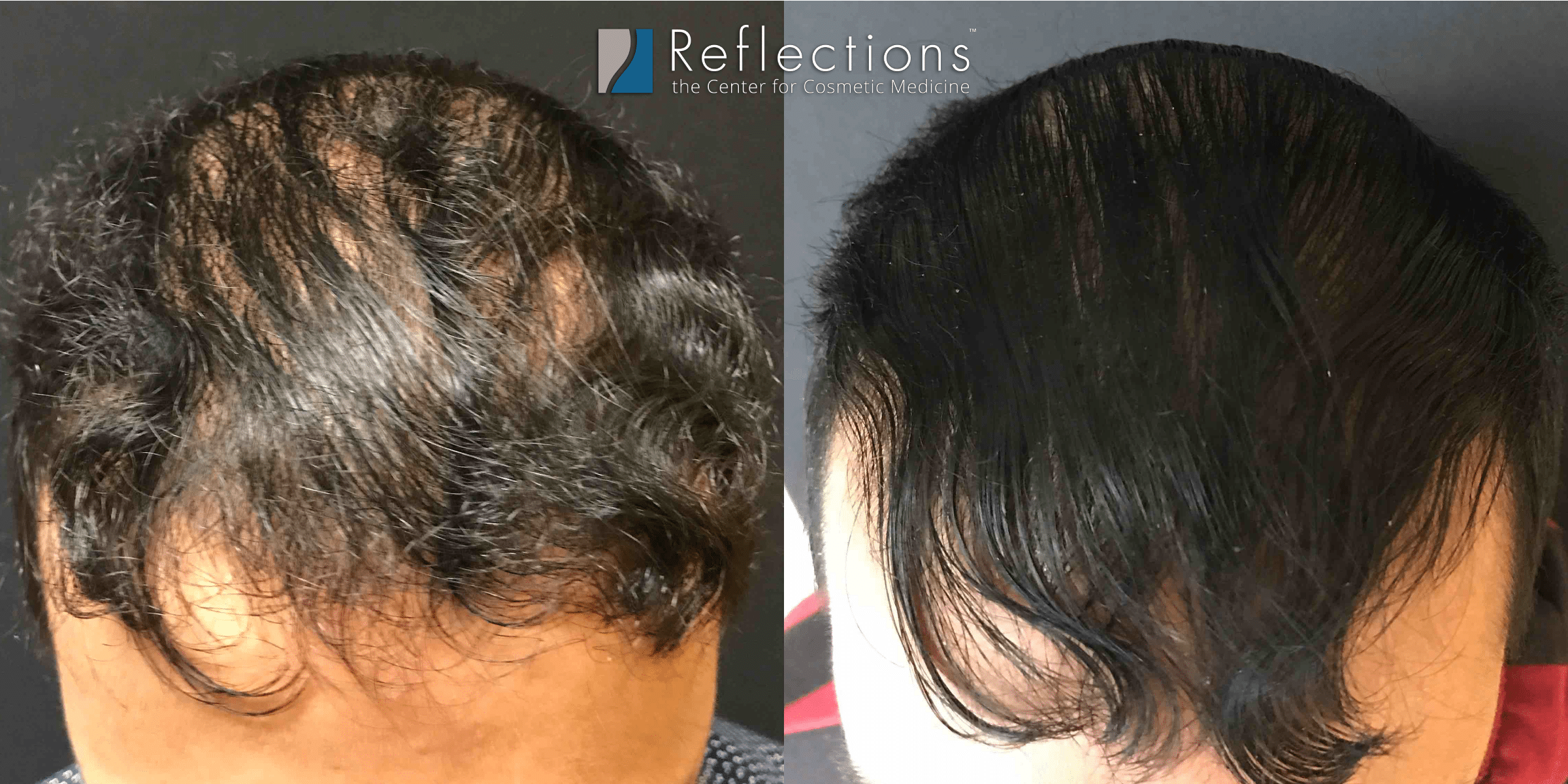
This 72-year-old patient turned to Dr. Wise with concerns of hair thinning and shedding. Six months after starting treatment, the patient is seeing a lot of new growth, and finds her hair to be much thicker and fuller overall. 57-year-old female patient treated with 3 sessions of Platelet Rich Plasma (PRP) Therapy. She had been experiencing thinning and shedding, especially at the top of the scalp.
What cosmetic concerns do PRP injections treat?
Dermatologists use PRP to treat people suffering from androgenetic alopecia, which is a common condition that causes the hair follicles to shrink. PRP treatment uses plasma components from the blood, which contains growth and regenerative factors, to help stimulate the hair follicles to return to Stage 1 of the hair growth cycle. PRP therapy can help increase hair density, improve hair thickness, and stimulate hair regrowth.
How Often Patients Experience Hair Loss After PRP Hair Treatment
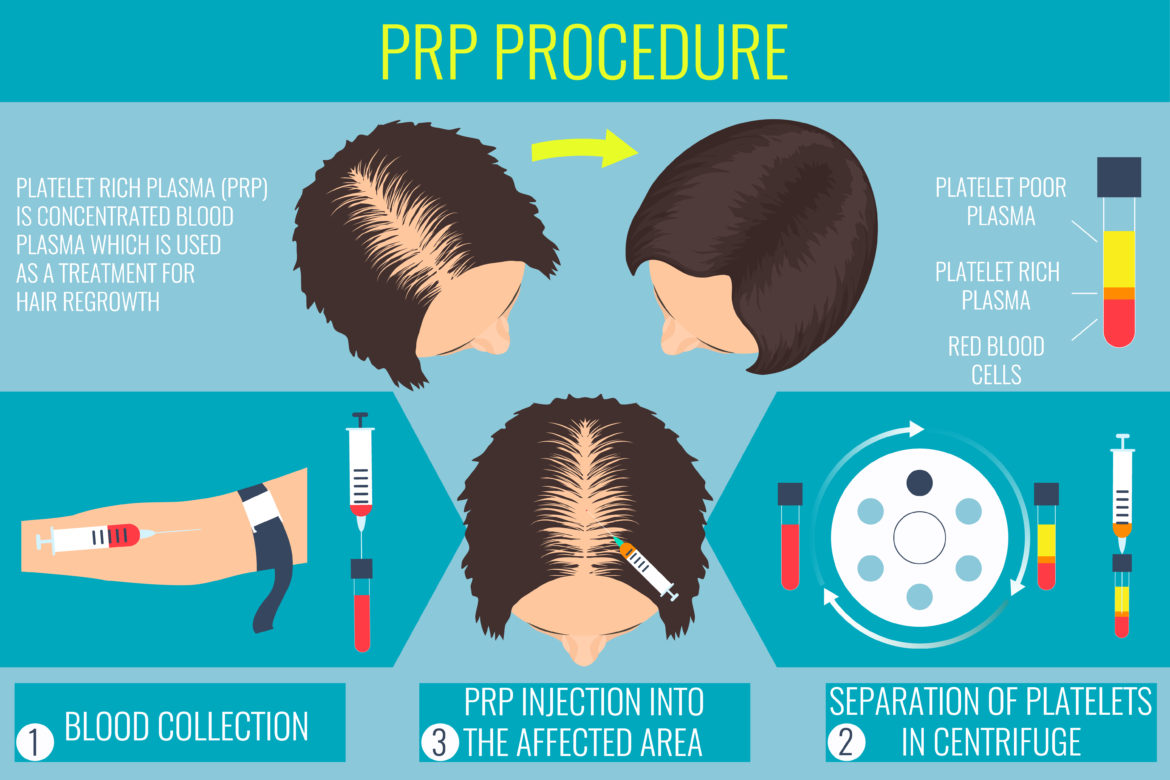
In a PRFM treatment, your blood is drawn and put into a centrifuge to separate the blood's platelets into a gel-like substance — aka the fibrin matrix. "This allows for a more concentrated and localized treatment, where the platelets can signal collagen production and rejuvenation of the skin," Gedjeyan says. "With hair growth, PRFM is an ideal treatment because the platelets are rich in growth factors that stimulate stem cells, which then strengthen and stimulate the hair follicles." Dr. Engelman says that the hair restoration that comes with PRP hair treatments is generally safe (and practical) for all hair types.
Patient 25
Withdrawal of 20-40ml of blood which is then spun in a centrifuge to separate the PRP. Unfortunately, the way the medication works, you can’t target specific areas. During the depths of the pandemic lockdown, I did some questionable things to my hair, including but not limited to DIY bleach. Despite getting away with minimal damage (thank you, Olaplex), I was totally unprepared for the toll that COVID and stress would take on my hair. A solid portion of my already baby-fine, thin hair just slowly disappeared into whatever universe contains all those lost bobby pins and hair ties.
PRP has long been used in the Dental and Orthopedic industry to improve healing of tissue and join injuries. PRP therapy for hair loss requires a small blood draw followed by the separation of the Platelets from the rest of the blood using a centrifuge. After separating the blood the PRP is then injected into the area of hair loss.
PRP therapy has been used for decades for wound and injury healing, but it is a relatively new treatment for hair loss. Recent research suggests that while not everyone is a candidate, PRP injections can increase hair growth and hair density in people with hereditary hair thinning or baldness. We also sell safe and effective hair restoration supplements and solutions to help hair loss patients enhance the effects of their PRP hair regrowth treatment.
PRP injections are a promising treatment for hair loss, but some of their side effects make patients worried about the procedure. They should also consider other medical conditions that may affect the patient or their treatment. After the patient undergoes a hair restoration treatment like PRP therapy, their hair follicles are stimulated to start their anagen phase. But most of these hair strands need to get to the telogen phase first before growing new hair, causing patients to experience shocking hair loss.
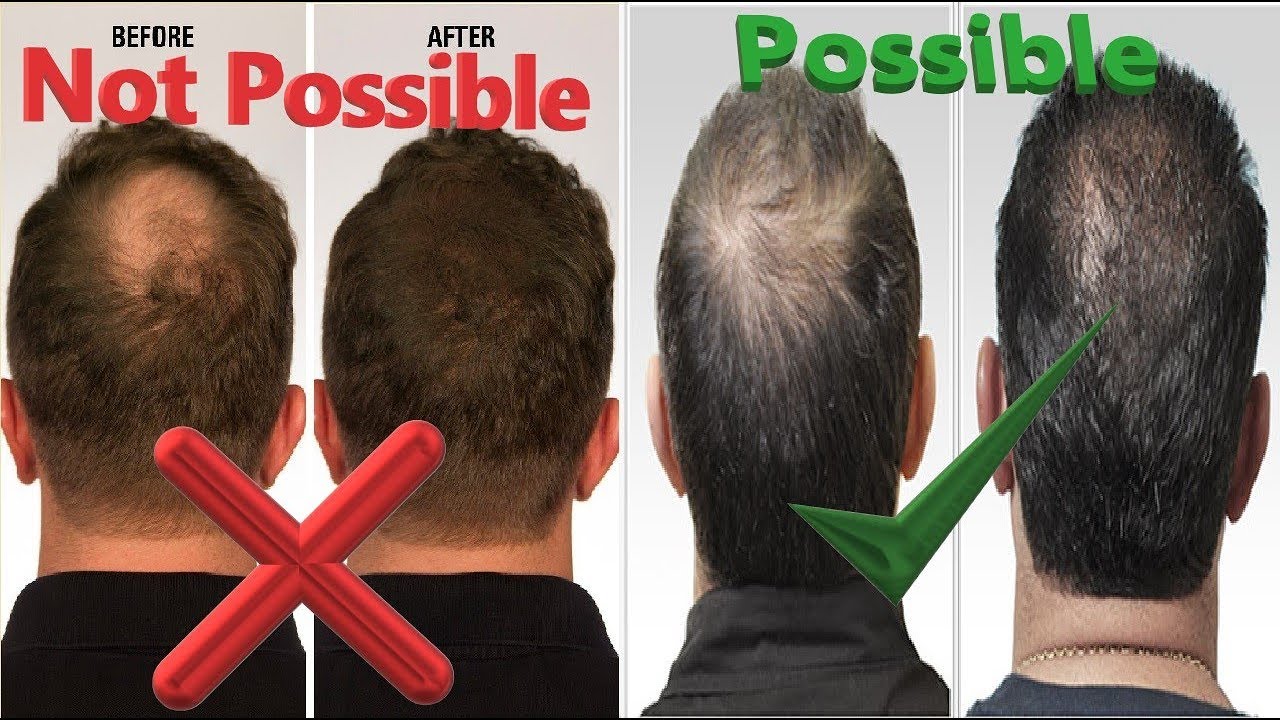
PRP therapy is one of the most common hair loss treatments today because it’s a safe and effective solution to pattern baldness. Although the treatment has minimal side effects, patients should still be aware of the possible complications they might experience, such as shock hair loss in the treated areas. PRP contains essential growth factors that stimulate natural hair growth. Due to the natural variation in quality of platelet-rich plasma, results will vary between individuals.
PRP is a treatment process in which doctors inject a patient’s own plasma into different parts of the patient’s body to promote healing and growth. It’s not just for hair—it can be used in tendons, ligaments, and muscles, too. For hair loss, treatment includes one PRP treatment per month for three months, followed by one treatment every three months for a year, and then one treatment yearly. It takes three months to see any improvement, and you’ll see maximum improvement in one year. You’ll get the best results in combination with other medical treatment (including the use of minoxidil applied to your hair or taken by mouth, as well as finasteride taken by mouth).
PRP therapy is a medical treatment that could be part of your hair loss treatment plan. Other options may include medications like Rogaine and Propecia, along with hair transplant surgery. In a 2014 study of 20 people, PRP treatment increased hair density and peaked at 3 months.
PRP therapy is not a onetime solution; most people require several sessions to achieve visible hair regrowth. The number of sessions can vary, but providers typically recommend three to four PRP sessions spaced four to six weeks apart for optimal results. Maintenance treatments every six to 12 months are sometimes necessary for continued regrowth. PRP hair treatment can be combined with other hair loss treatments to maximise its effects. For example, research shows that PRP combined with minoxidil was more effective than PRP treatment or minoxidil alone [3]. Minoxidil is a common medication used to stimulate hair growth and slow balding.
After receiving PRP treatment, a person can usually return to their regular activities without any limitations. Doctors have also used PRP to treat injuries to the tendons, muscles, and ligaments, such as those that people sustain during sporting activities. In this article, we describe how doctors use PRP to treat hair loss and what researchers say about its effectiveness. Although PRP is a relatively new approach, there is some scientific evidence to suggest that it can promote hair growth.
Doctors and researchers also need to identify the best candidates for PRP and develop universal treatment protocols. As the PRP solution consists of a person’s own blood components, there are few risks of a reaction to the solution itself. They acknowledged, however, that the treatment is controversial, noting that small sample sizes and low quality of research were among the limiting factors of their investigation. Platelet rich plasma is one of the most exciting and relatively new areas of cosmetic medicine and surgery. Between 10 to 60 milliliters (mL) of your blood is drawn, typically from your arm, and put into a centrifuge. This is a machine that spins rapidly to separate fluids of different densities.
COVID hair loss is real — but these treatments can help - New York Post
COVID hair loss is real — but these treatments can help.
Posted: Mon, 07 Jun 2021 07:00:00 GMT [source]
Someone who has been experiencing hair loss for 5+ years or is experiencing chronic bald patches, can still see some results but may struggle to grow new hair. Essentially, the procedure aims to increase the number of active hair follicles. If you've heard of PRP, read any PRP hair treatment reviews or searched, 'PRP hair treatment female' and 'PRP hair treatment results', then you've come to the right article. You might know of PRP as the Kim Kardashian 'Vampire Facial', but at the time, I had no idea what PRP and PRP for hair growth were. Following my initial article about hair loss, I was approached by a clinician who suggested I explore a treatment called PRP.
Receiving PRP injections may sometimes trigger telogen effluvium or when your hair follicles freeze at the telogen phase and don’t enter the growth phase. Fortunately, this condition is rare among patients who undergo PRP therapy for hair growth. Most patients become anxious that they seem to be losing more hair after receiving PRP injections for hair growth. However, hair shedding is actually a common side effect after the treatment session because of the natural growth cycle of the hair, coupled with the potent therapy for hair loss you’ve undergone. Patients may start noticing this 6 weeks after the treatment and may last within around 8 to 10 weeks.



No comments:
Post a Comment